




What is Microdermabrasion?
Microdermabrasion is a minimally invasive procedure that enhances skin tone with deep cleaning and exfoliation to increase the skin’s circulation. During treatment, a diamond-tipped handpiece is used to gently exfoliate and remove dead skin cells. Dead cells are then suctioned away to reveal a healthier layer of skin and a more youthful complexion.
Who is a Candidate?
Those who wish to address a shot of skin conditions with a minimally invasive procedure benefit most from microdermabrasion. The microdermabrasion procedure is also effective on all skin types and colors, so almost anyone can benefit.
What Our Patients Say


Reasons For Microdermabrasion
By removing dead skin cells and increasing blood flow to the treated area, microdermabrasion reveals healthy-looking skin with better texture, tone, and clarity. This treatment is ideal for most people dealing with specific skin conditions, including:
- Uneven skin tone
- Sun damage or age spots
- Clogged pores, blackheads, or acne
- Fine lines, wrinkles, or stretch marks
- Enlarged pores
- Darkened skin spots or discoloration
- Dull or dry skin
- Scarring, especially from acne
In addition to cosmetic benefits, regular treatments can stimulate collagen production and improve overall skin health. Unlike an at-home microdermabrasion kit, professional treatments at our Jacksonville, FL office are more effective due to medical-grade tools like the diamond tip or aluminum oxide fine crystals, which allow us to perform microdermabrasion with greater precision.
Before Your Microdermabrasion Procedure
To get the best possible results, avoid using retinol, exfoliating creams, or any harsh skincare products at least 3–5 days prior to treatment, as they can increase skin sensitivity. Patients should also avoid direct sun exposure, tanning beds, and waxing in the treated area.
Use a gentle cleanser and moisturizer to keep your skin hydrated and calm before your appointment. Let your provider know about any recent procedures, allergies, or medical history, including rosacea, active acne, or other skin conditions, to ensure the treatment is safe and suitable for you.
What is the Difference between Microneedling and Microdermabrasion?
Both microneedling and microdermabrasion are cosmetic treatments that can make your skin look better. However, while the microdermabrasion process exfoliates dead skin cells and opens up pores to reveal brighter skin, the microneedling process breaks through the skin surface very slightly to promote collagen production. What is the Difference? Microdermabrasion is a skin resurfacing technique
During Your Microdermabrasion Procedure
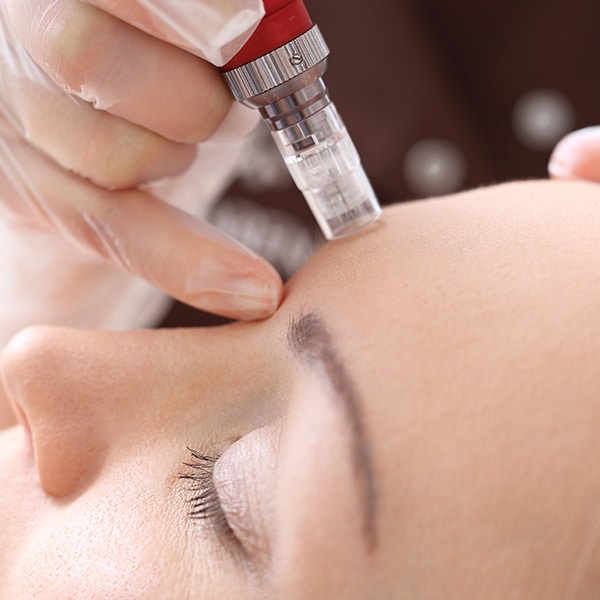
During the microdermabrasion procedure, your skin will be gently cleansed and prepped before treatment begins. A trained professional will then use a handheld device equipped with a diamond tip or fine crystals (often made of aluminum oxide) to carefully exfoliate the uppermost layer of the skin. This process removes dead skin cells and clears away impurities from the surface of the skin and pores.
As the handpiece passes over the skin with light pressure, it simultaneously suctions away the exfoliated skin and debris. The treatment is generally painless—most patients describe it as a light scratching or massaging sensation. The session typically lasts 30–60 minutes, with no anesthesia required.
After Your Microdermabrasion Procedure
There is little to no downtime required after a microdermabrasion treatment; the skin may appear slightly pink or feel tender, similar to a mild sunburn. Some redness, minor swelling, or light bruising may occur, especially in sensitive areas. These effects typically resolve on their own within a day or two.
Because your top layer of skin cells has been freshly exfoliated, it’s essential to protect the treated area from sun exposure. Use a broad-spectrum sunscreen daily and avoid direct sun exposure to prevent dark spots or hyperpigmentation.
You can apply makeup immediately after the procedure and return to your normal activities, but keep the skin moisturized and continue using a gentle cleanser for the first few days. Avoid harsh skincare products, including retinol or exfoliants, for about a week.
What to Expect After Microdermabrasion
Following your microdermabrasion procedure, you can expect your skin to feel noticeably smoother and appear more radiant almost immediately. After just one session, most patients experience a fresh, healthy glow as the dead skin cells are removed, revealing a younger-looking layer of skin underneath.
While results can be seen immediately, the best and most lasting improvements typically occur after a series of treatments spaced a few weeks apart. With regular sessions, you’ll notice a continued improvement in skin tone, texture, and the appearance of fine lines, wrinkles, age spots, and enlarged pores.
Frequently Asked Questions about Microdermabrasion
What not to do before a microdermabrasion?
How long is recovery time for microdermabrasion?
What should I avoid after microdermabrasion?
How soon can I wash my face after microdermabrasion?
Does microdermabrasion help sagging skin?
Learn More About Microdermabrasion at Basile Plastic Surgery & Wellness
If you are interested in learning more about microdermabrasion, contact our Jacksonville, FL office today to schedule a consultation. This skin rejuvenation procedure will help you achieve glowing, smooth skin and a more youthful appearance.

Dr. Patrick L. Basile is a board-certified plastic surgeon based in Jacksonville Beach, FL. He has worked with the National Naval Medical Center in Bethesda, which became the Walter Reed National Military Medical Center where he became the Assistant Chief of Plastic Surgery and the Director of Microsurgery. He joined the faculty at Johns Hopkins University and the University of Pittsburgh. He participates in annual humanitarian cleft lip and palate efforts as well. Dr. Basile has been acknowledged in numerous magazines, newspapers, books, and on television. He has won multiple awards over the years, and has a rating of 4.7 out of almost 300 reviews.